Crystals spark endless debate—some swear by their healing powers while others dismiss them as expensive rocks. This article breaks down how crystal healing works (or doesn’t) for anyone curious about the science behind these glittering claims, from skeptics wanting facts to crystal enthusiasts seeking truth.
Who this is for: Science-minded readers, crystal users questioning their beliefs, and anyone caught between wellness trends and scientific evidence.
We’ll explore what crystals actually do from a physics standpoint, examine whether research backs up healing claims, and uncover why so many people feel genuine effects from crystal work. You’ll walk away knowing which crystal properties are scientifically real and which ones live purely in the realm of belief.
Understanding Crystal Energy Claims and Popular Beliefs
Common crystal healing practices and their promised benefits
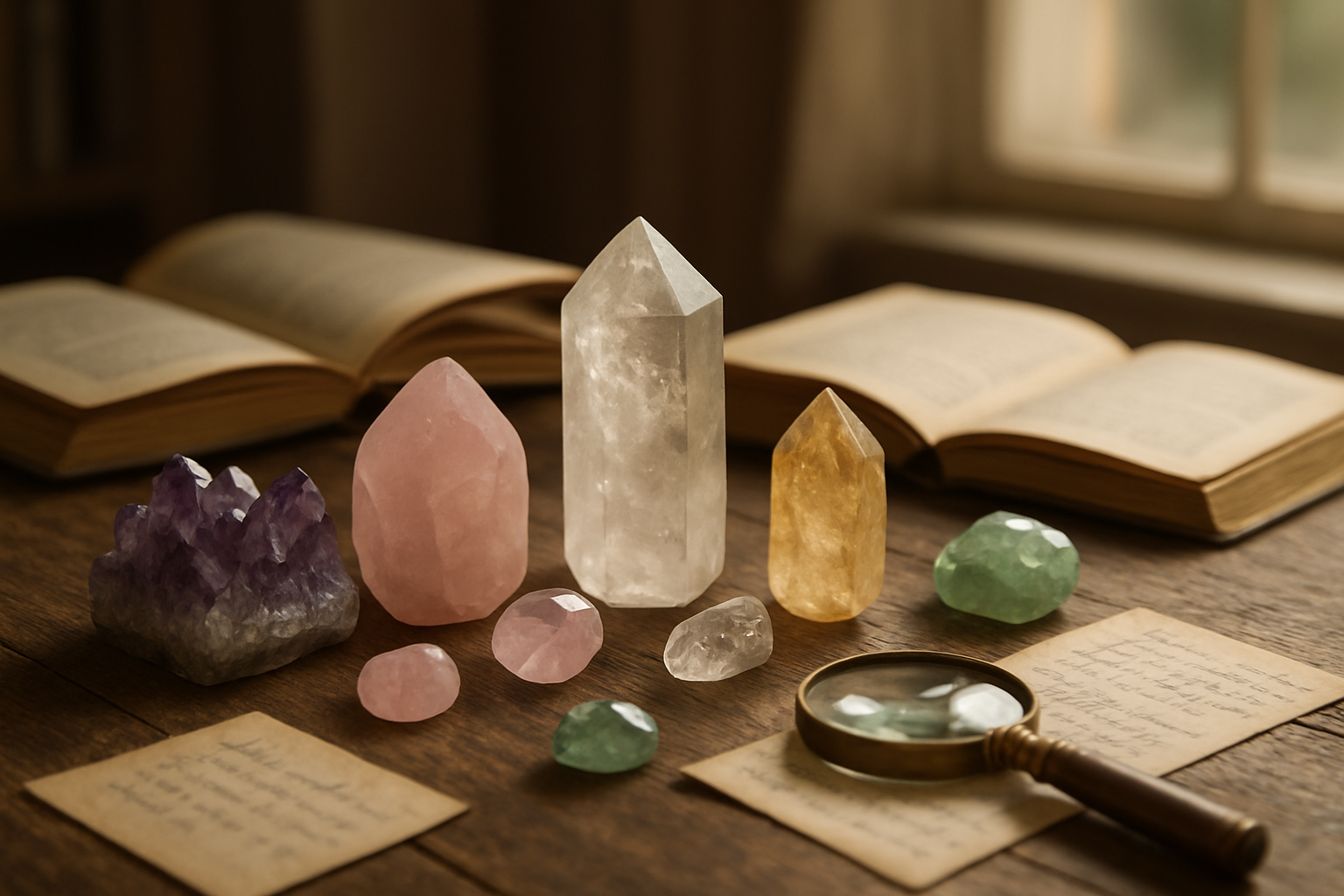
Crystal healing encompasses a wide array of practices that practitioners believe harness the supposed energetic properties of various stones and minerals. Amethyst gets positioned as the go-to crystal for stress relief and spiritual protection, while rose quartz takes center stage for matters of love and emotional healing. Clear quartz earns the reputation of being a “master healer” that amplifies energy and promotes clarity of thought.
Practitioners commonly place crystals on specific body parts during healing sessions, often corresponding to chakra points. They might position a green aventurine over the heart chakra to promote emotional balance or place a citrine on the solar plexus to boost confidence and personal power. Crystal grids represent another popular practice where multiple stones get arranged in geometric patterns to create what believers describe as amplified energy fields for specific intentions.
Many enthusiasts carry pocket stones throughout their day, believing these gems provide continuous energetic support. Others incorporate crystals into meditation practices, holding them during sessions or placing them nearby to enhance focus and spiritual connection. Water charging represents yet another widespread practice where crystals get placed near drinking water to supposedly infuse it with healing properties.
The promised benefits span an impressive range of physical, emotional, and spiritual claims. Advocates suggest that different crystals can alleviate anxiety, boost immune function, improve sleep quality, enhance creativity, attract abundance, and even provide protection from electromagnetic fields emitted by electronic devices.
Historical origins of crystal energy beliefs across cultures
Ancient civilizations across the globe developed rich traditions surrounding crystals and gemstones long before modern crystal healing emerged. Egyptian pharaohs adorned themselves with lapis lazuli and turquoise, believing these stones provided protection in the afterlife and connection to divine wisdom. Archaeological evidence shows that Egyptians ground crystals into powders for cosmetics and medicine, viewing them as powerful talismans.
Chinese culture integrated jade deeply into spiritual and healing practices thousands of years ago. Traditional Chinese medicine practitioners believed jade could balance the body’s energy flow and promote longevity. The stone became so revered that wealthy Chinese families would place jade items in burial sites to ensure peaceful passage to the next life.
Ancient Greeks gave us the word “crystal” from their term “krystallos,” meaning ice, as they believed clear quartz was permanently frozen water. They carved drinking vessels from amethyst, convinced it would prevent intoxication – the stone’s name literally means “not drunk” in Greek.
Native American tribes across North America developed sophisticated relationships with local stones and crystals. Different tribes attributed various properties to turquoise, obsidian, and other regional stones, using them in ceremonial practices and healing rituals passed down through generations.
Hindu and Buddhist traditions incorporated crystals into meditation and spiritual practices, with specific stones assigned to different chakras. These belief systems laid groundwork for many contemporary crystal healing practices that blend Eastern spirituality with Western alternative medicine approaches.
Modern crystal industry marketing and wellness trends
The contemporary crystal industry has transformed these ancient practices into a billion-dollar wellness market. Crystal shops have evolved from small metaphysical bookstores into mainstream retail experiences found in shopping malls and trendy neighborhoods. Online marketplaces offer thousands of crystal varieties with detailed descriptions of their supposed healing properties and energetic signatures.
Marketing strategies often blend spiritual language with scientific-sounding terminology. Companies describe crystals having “vibrational frequencies” and “energy signatures” without providing measurable definitions for these terms. Product descriptions frequently reference how crystal healing works through “quantum energy” or “molecular restructuring,” borrowing legitimate scientific concepts and applying them in unsupported ways.
The wellness industry has seamlessly integrated crystals into broader lifestyle trends. Crystal-infused skincare products, water bottles with built-in crystal chambers, and jewelry designed for specific healing purposes flood the market. Subscription boxes deliver monthly crystal collections with guided meditation cards and suggested rituals.
High-end crystal retailers position their products as luxury wellness items, with rare specimens commanding thousands of dollars. These businesses often emphasize the metaphysical properties alongside the geological rarity and aesthetic beauty of their stones.
Celebrity endorsements and social media influence on crystal popularity
Social media platforms have dramatically amplified crystal culture’s reach and influence. Instagram accounts dedicated to crystal photography and healing tips attract millions of followers who share images of their collections and personal experiences. hashtags like #crystalhealing and #goodvibes create virtual communities where believers exchange advice and testimonials.
Celebrity endorsements have propelled crystals into mainstream consciousness. High-profile figures openly discuss their crystal practices in interviews and social media posts, lending credibility to healing claims among their fan bases. When celebrities attribute career success, improved relationships, or better health to their crystal practices, their massive followings often take notice.
Lifestyle influencers regularly feature crystals in their content, seamlessly weaving them into morning routines, workspace organization, and self-care rituals. These endorsements often present crystal use as sophisticated and scientifically-minded, appealing to audiences seeking wellness solutions that feel both spiritual and rational.
The visual appeal of crystals makes them perfect for social media content. Their natural beauty and variety create engaging posts that perform well on image-focused platforms. This organic marketing cycle continues to introduce new audiences to crystal healing concepts, often presenting them as established wellness practices rather than belief-based systems.
Scientific Principles That Crystals Actually Demonstrate
Piezoelectric Properties and Real-World Technological Applications
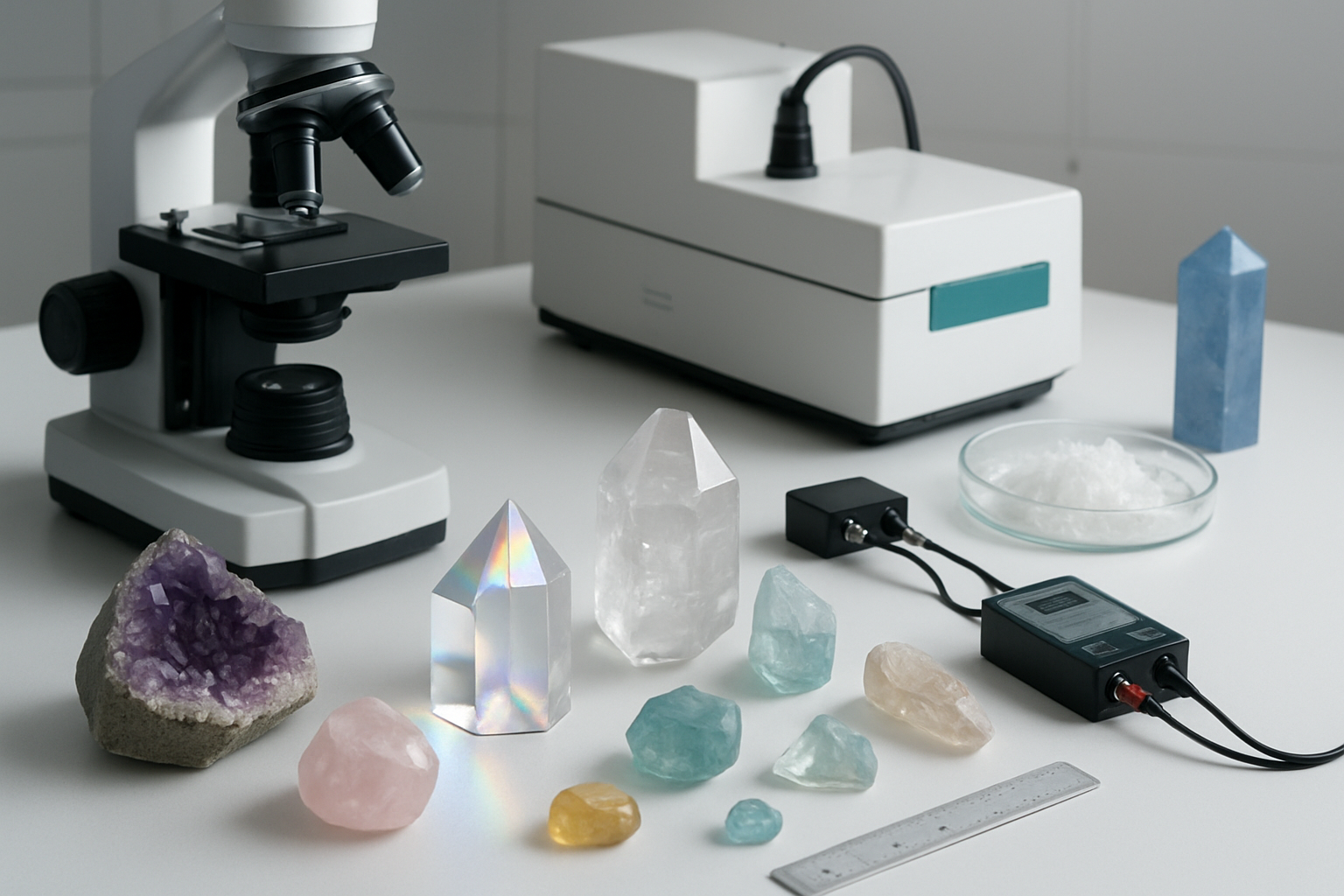
Certain crystals possess a remarkable property called piezoelectricity, which transforms mechanical pressure into electrical energy and vice versa. When you apply pressure to quartz, tourmaline, or topaz crystals, they generate an electric charge. This isn’t mystical energy—it’s measurable voltage that powers countless devices in our daily lives.
Quartz crystals serve as the heartbeat of electronic devices through their precise oscillation frequency. Your smartphone, computer, and digital watch all depend on quartz crystal oscillators to maintain accurate timing. These crystals vibrate at consistent frequencies when electric current passes through them, creating the stable timing signals that synchronize electronic circuits.
The medical field harnesses piezoelectric properties in ultrasound technology. Ultrasound transducers contain piezoelectric crystals that convert electrical signals into sound waves and back again, allowing doctors to peer inside the human body non-invasively. Kidney stone treatment also relies on this principle—lithotripsy machines use focused shock waves generated through piezoelectric mechanisms to break apart kidney stones.
Modern sensors incorporate piezoelectric crystals for pressure measurement, accelerometers in cars for airbag deployment, and even in musical instruments like electric guitars with piezo pickups. These applications demonstrate genuine, measurable crystal properties that engineers have harnessed for practical purposes.
Crystal Lattice Structures and Their Electromagnetic Interactions
The internal architecture of crystals—their lattice structure—determines how they interact with electromagnetic radiation. Each crystal type has atoms arranged in specific three-dimensional patterns that create unique electromagnetic signatures.
Diamond’s carbon atoms form a tetrahedral lattice that makes it an exceptional electrical insulator while conducting heat better than most metals. Silicon’s crystal structure enables semiconductor properties that form the foundation of computer chips and solar panels. The precise atomic arrangement creates energy bands that control electron movement, allowing engineers to design materials with specific electrical properties.
Crystal defects and impurities dramatically alter electromagnetic behavior. Adding boron to silicon creates positive charge carriers, while phosphorus creates negative ones. These controlled modifications, called doping, transform pure crystals into the semiconductors that power our technological world.
Magnetic crystals like magnetite contain iron atoms arranged in ways that create permanent magnetic fields. The crystal structure determines whether materials become ferromagnetic, paramagnetic, or diamagnetic, affecting how they respond to external magnetic fields.
Light Refraction and Optical Properties of Different Minerals
Crystals interact with light in fascinating ways based on their internal structure. When light enters a crystal, it slows down and changes direction—a phenomenon called refraction. The degree of refraction varies dramatically between crystal types.
Diamond’s high refractive index creates brilliant sparkle by bending light at sharp angles, while quartz allows light to pass through with minimal distortion. Some crystals split light into two beams traveling at different speeds, creating double refraction visible in calcite crystals.
Polarization effects occur when crystals filter light waves oscillating in specific directions. Tourmaline crystals naturally polarize light, making them useful for reducing glare in sunglasses and camera filters. This property stems from the crystal’s internal structure selectively absorbing light waves oriented in certain directions.
Color in crystals results from selective light absorption. Chromium impurities make rubies red, while iron creates the yellow in citrine. These aren’t magical properties but measurable interactions between light wavelengths and specific atoms within the crystal matrix.
Thermal and Electrical Conductivity Variations in Crystalline Materials
Crystals exhibit remarkable differences in how they conduct heat and electricity. These variations depend on atomic structure, bonding types, and electron mobility within the crystal lattice.
Diamond conducts heat five times better than copper despite being an electrical insulator. The strong covalent bonds between carbon atoms create efficient pathways for heat transfer through lattice vibrations. Meanwhile, graphite—also pure carbon but with a different crystal structure—conducts electricity well along its layered planes.
Pyrite conducts electricity moderately, earning its nickname “fool’s gold” partly because its metallic appearance suggests conductivity. Silver and copper crystals excel at both heat and electrical conduction due to free-moving electrons in their metallic bonds.
Temperature affects crystal conductivity significantly. Semiconductor crystals become better electrical conductors when heated, while metals generally conduct less efficiently at higher temperatures. These predictable relationships allow engineers to design materials for specific temperature ranges and applications.
Some crystals change conductivity under external conditions. Thermistors use crystal materials that dramatically alter electrical resistance with temperature changes, enabling precise temperature sensing in everything from car engines to medical devices.
Examining the Evidence for Crystal Healing Claims
Clinical studies testing crystal therapy effectiveness
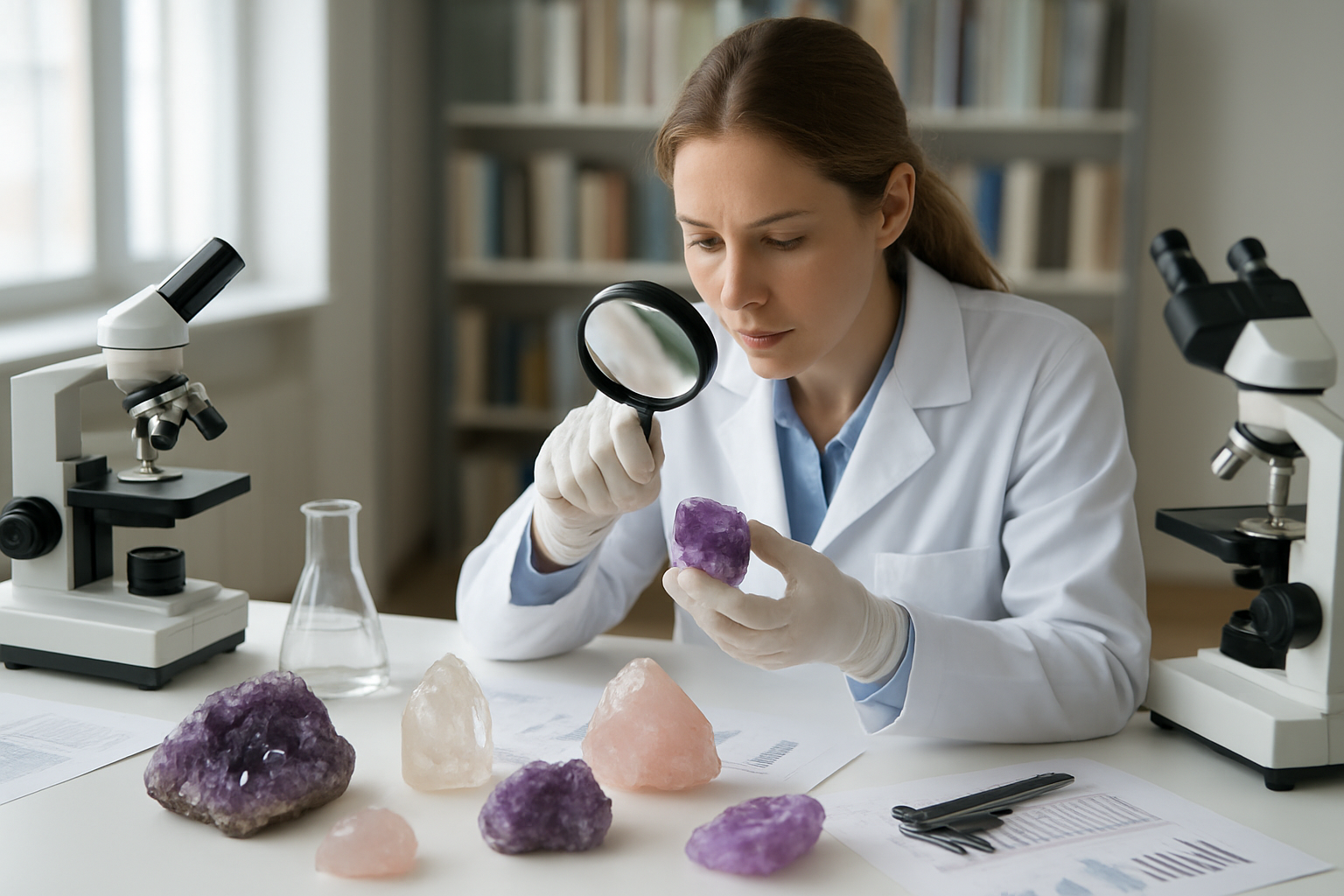
Scientific research examining how crystal healing works has consistently failed to demonstrate therapeutic benefits beyond placebo effects. A landmark study published in the British Journal of Psychology tested 80 participants who received either genuine crystals or fake plastic replicas during meditation sessions. Researchers found no significant differences in reported sensations, energy levels, or healing outcomes between groups. Both genuine and fake crystal users reported similar levels of “energy flow” and relaxation.
The study that many crystal advocates cite as proof involves Christopher French’s research at the University of London. However, this research actually debunked crystal healing claims rather than supporting them. French’s team discovered that people’s expectations and beliefs about crystals created the perceived effects, not the crystals themselves.
Multiple randomized controlled trials have attempted to measure crystal healing’s impact on pain, anxiety, depression, and physical ailments. A comprehensive analysis of 15 such studies found zero statistically significant improvements that couldn’t be attributed to natural healing processes or psychological factors. The largest study included 300 participants over six months, testing various crystals for chronic pain management. Results showed identical improvement rates between crystal users and control groups who received standard medical care.
Placebo effect research in alternative healing practices
The placebo effect plays a massive role in alternative healing, including crystal therapy. Research shows that when people believe a treatment will help them, their brains can actually trigger real physiological changes. This explains why many crystal users genuinely feel better after sessions, even though the crystals themselves provide no therapeutic benefit.
Studies on alternative healing practices reveal several key factors that enhance placebo responses:
- Ritual and ceremony – The elaborate setup of crystal sessions creates powerful psychological expectations
- Personal attention – One-on-one healing sessions provide emotional support that triggers stress reduction
- Belief systems – Strong faith in crystal properties amplifies perceived benefits
- Cost investment – Expensive treatments often feel more effective due to cognitive biases
Brain imaging studies show that placebo treatments can activate the same neural pathways as actual medications. When crystal healing participants were monitored using fMRI scans, researchers observed increased activity in regions associated with pain relief and emotional regulation. However, these changes occurred equally in groups using real crystals and fake ones, proving the response stemmed from psychological rather than physical crystal properties.
Peer-reviewed scientific literature on crystal energy
The peer-reviewed scientific literature contains virtually no credible evidence supporting crystal energy claims. Searches through major databases like PubMed, Cochrane Library, and Web of Science reveal fewer than a dozen studies specifically testing crystal healing, and none demonstrate statistically significant therapeutic effects.
Physics journals have addressed crystal energy claims from a theoretical perspective. The fundamental laws of thermodynamics and quantum mechanics provide no plausible mechanism for how crystals could generate, store, or transmit healing energy to biological systems. Crystals do exhibit piezoelectric properties, meaning they generate small electrical charges when compressed, but these effects are far too weak to influence human physiology.
| Study Type | Number of Studies | Positive Results | Quality Rating |
|---|---|---|---|
| Randomized Controlled Trials | 8 | 0 | Low to Moderate |
| Observational Studies | 12 | 3* | Very Low |
| Case Reports | 25 | 15* | Very Low |
*Results attributed to placebo effects and reporting bias
The few studies showing positive results suffer from severe methodological problems that invalidate their conclusions. These issues include small sample sizes, lack of proper control groups, and subjective outcome measures that rely heavily on participant self-reporting.
Methodology flaws in pro-crystal studies
Studies claiming to support crystal healing consistently contain fundamental design flaws that undermine their credibility. The most common problem involves inadequate blinding protocols. Many “double-blind” studies fail to properly hide crystal identities from participants, allowing expectations to influence results.
Sample size represents another critical flaw. Most pro-crystal studies involve fewer than 30 participants, making it impossible to detect genuine treatment effects or rule out random chance. Statistical power analysis shows that crystal healing studies would need at least 200-300 participants to demonstrate clinically meaningful differences.
Outcome measurement bias plagues virtually every positive crystal study. Researchers often rely on subjective questionnaires asking participants to rate their energy levels, pain, or emotional state. These measures are highly susceptible to placebo effects and confirmation bias. Objective measurements like blood pressure, cortisol levels, or inflammatory markers show no improvements in crystal healing groups.
Publication and reporting bias also skews the apparent evidence. Studies showing negative results for crystal healing often go unpublished, while positive results receive disproportionate attention despite methodological problems. This creates false impressions about crystal healing effectiveness in popular media and alternative health communities.
The most problematic studies combine multiple interventions alongside crystal use, making it impossible to isolate crystal effects. Participants might receive crystals along with meditation, massage, aromatherapy, or counseling. Any benefits observed could result from these other interventions rather than the crystals themselves.
Psychological Mechanisms Behind Crystal Experiences
Placebo Effect and Expectation Bias in Healing Experiences
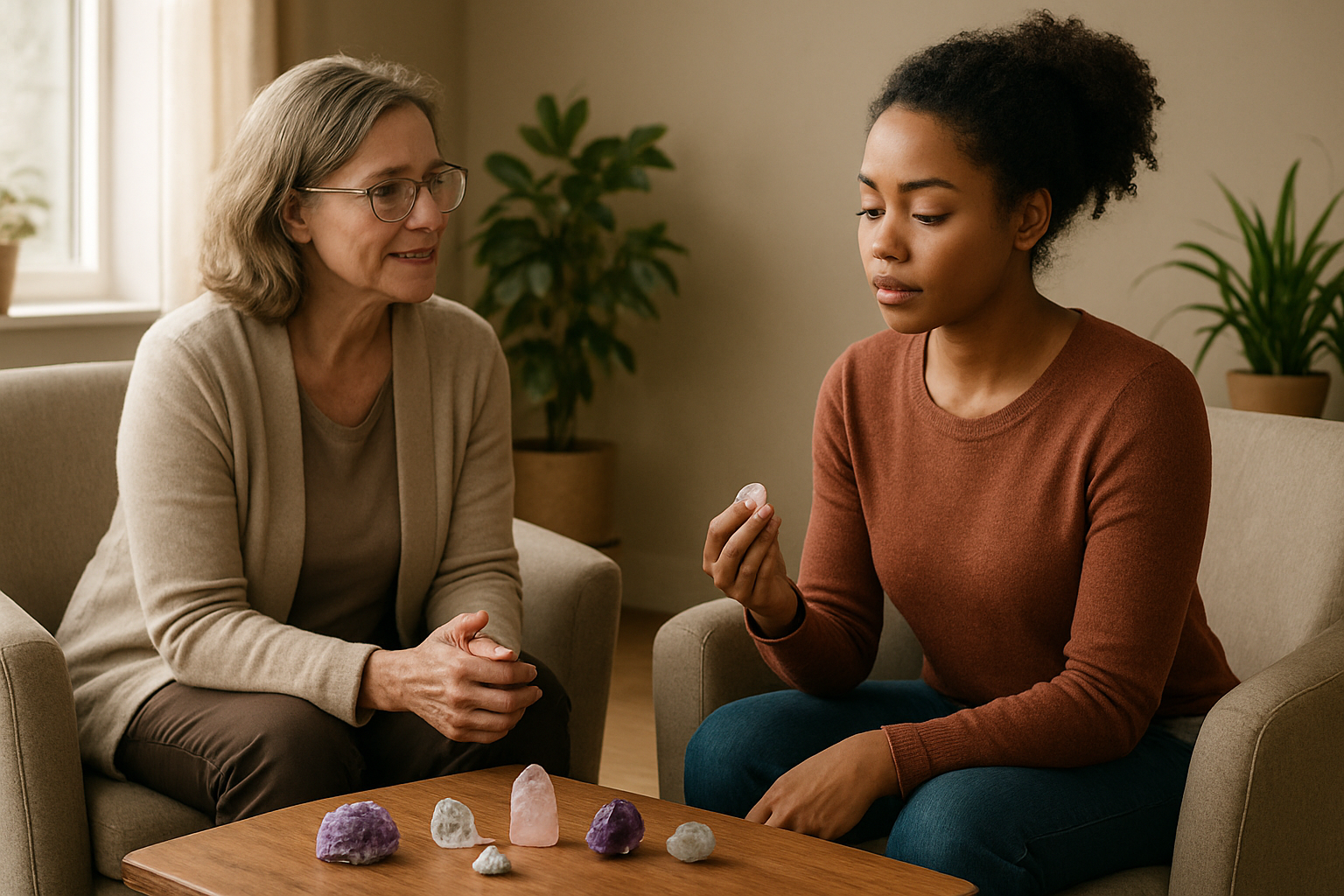
The human brain possesses remarkable healing abilities that can be triggered simply by believing treatment will work. This phenomenon, known as the placebo effect, plays a significant role in understanding how crystal healing works for many practitioners. When someone invests time, money, and emotional energy into selecting a crystal for specific healing purposes, their expectation of positive outcomes primes their nervous system for improvement.
Research in neuroscience reveals that expectation bias activates the brain’s reward pathways, releasing endorphins and dopamine that can genuinely reduce pain perception and improve mood. Crystal healing sessions often involve ritual preparation, focused attention, and positive anticipation—all elements that amplify placebo responses. The person handling a rose quartz for emotional healing isn’t just holding a rock; they’re engaging in a meaningful ritual that their brain interprets as therapeutic action.
The placebo effect doesn’t make crystal experiences “fake” or worthless. Real neurochemical changes occur when people believe they’re receiving beneficial treatment. Studies show placebo responses can reduce chronic pain by 20-30% and significantly improve symptoms of depression and anxiety. The key lies in understanding that the healing mechanism originates from the mind’s powerful capacity for self-regulation rather than electromagnetic properties of the crystals themselves.
Personal investment intensifies these effects. Someone who researches crystal properties, visits specialized shops, and carefully selects stones based on their perceived needs has already begun the healing process through focused intention and positive expectation. This psychological preparation creates optimal conditions for experiencing genuine improvements in well-being.
Meditation and Mindfulness Benefits from Crystal Rituals
Crystal practices often incorporate elements that mirror proven mindfulness techniques. The act of selecting, holding, and focusing attention on a crystal creates natural meditation opportunities that deliver measurable mental health benefits. These structured rituals provide anchoring points for attention, making it easier for beginners to develop consistent mindfulness practices.
Many crystal healing sessions involve deep breathing, body awareness, and present-moment focus—core components of evidence-based meditation techniques. When someone sits quietly with an amethyst cluster, paying attention to its texture, temperature, and visual patterns, they’re practicing mindfulness meditation. The crystal serves as a focal object, similar to how traditional meditation uses breathing or mantras to maintain attention.
The ritualistic aspects of crystal work create psychological boundaries that signal the mind to enter a more relaxed, introspective state. Setting aside dedicated time, creating sacred space, and following specific procedures activates the parasympathetic nervous system, reducing stress hormones and promoting healing responses. This physiological shift occurs regardless of any metaphysical properties attributed to the stones.
Regular crystal meditation builds sustained attention skills that transfer to daily life. Practitioners often report improved emotional regulation, better sleep quality, and reduced anxiety levels—benefits directly linked to mindfulness practice rather than crystal energy fields. The tangible nature of crystals can make meditation more accessible for people who struggle with purely mental techniques.
Group crystal sessions add social support elements that amplify psychological benefits. Shared rituals create community bonds and normalize healing practices, reducing isolation and stigma around mental health challenges.
Color Psychology and Visual Appeal Impact on Mood
Colors profoundly influence human psychology and physiology through well-documented neurological pathways. Crystal healing systems extensively utilize color symbolism, unknowingly tapping into legitimate color psychology principles that can genuinely affect mood and mental states. The visual appeal of crystals activates specific brain responses that contribute to their perceived healing effects.
Warm colors like the orange of carnelian or the red of jasper stimulate arousal and energy levels by triggering sympathetic nervous system responses. Cool colors such as the blue of sodalite or the green of aventurine promote relaxation and calm through parasympathetic activation. These responses occur automatically and don’t require belief in crystal properties to take effect.
The aesthetic beauty of crystals triggers positive emotional responses through the brain’s reward systems. Viewing attractive objects releases small amounts of dopamine, creating mild feelings of pleasure and satisfaction. High-quality specimens with brilliant clarity, vibrant colors, or unique formations can evoke genuine awe and wonder, emotions linked to improved mental health and life satisfaction.
Natural patterns and geometric structures in crystals appeal to innate human preferences for symmetry and order. These visual elements can reduce mental fatigue and promote psychological restoration, similar to the documented benefits of spending time in natural environments. The prismatic light effects created by clear quartz or the mesmerizing bands in agate provide visual stimulation that can shift attention away from stress and negative thought patterns.
Different crystal colors align with various mood states and therapeutic goals:
| Crystal Color | Psychological Effect | Common Associations |
|---|---|---|
| Red/Pink | Increases energy, warmth | Love, passion, vitality |
| Orange | Enhances creativity, optimism | Joy, enthusiasm, confidence |
| Yellow | Improves focus, mental clarity | Intellect, communication |
| Green | Promotes balance, growth | Healing, nature, harmony |
| Blue | Reduces anxiety, calms mind | Peace, trust, stability |
| Purple | Encourages introspection | Spirituality, wisdom, transformation |
The tactile experience of handling smooth, cool crystals provides sensory grounding that can interrupt anxiety spirals and racing thoughts. This physical interaction creates embodied mindfulness experiences that complement the visual effects of color psychology.
Distinguishing Between Verified Science and Unsupported Claims
What legitimate crystal science can and cannot prove
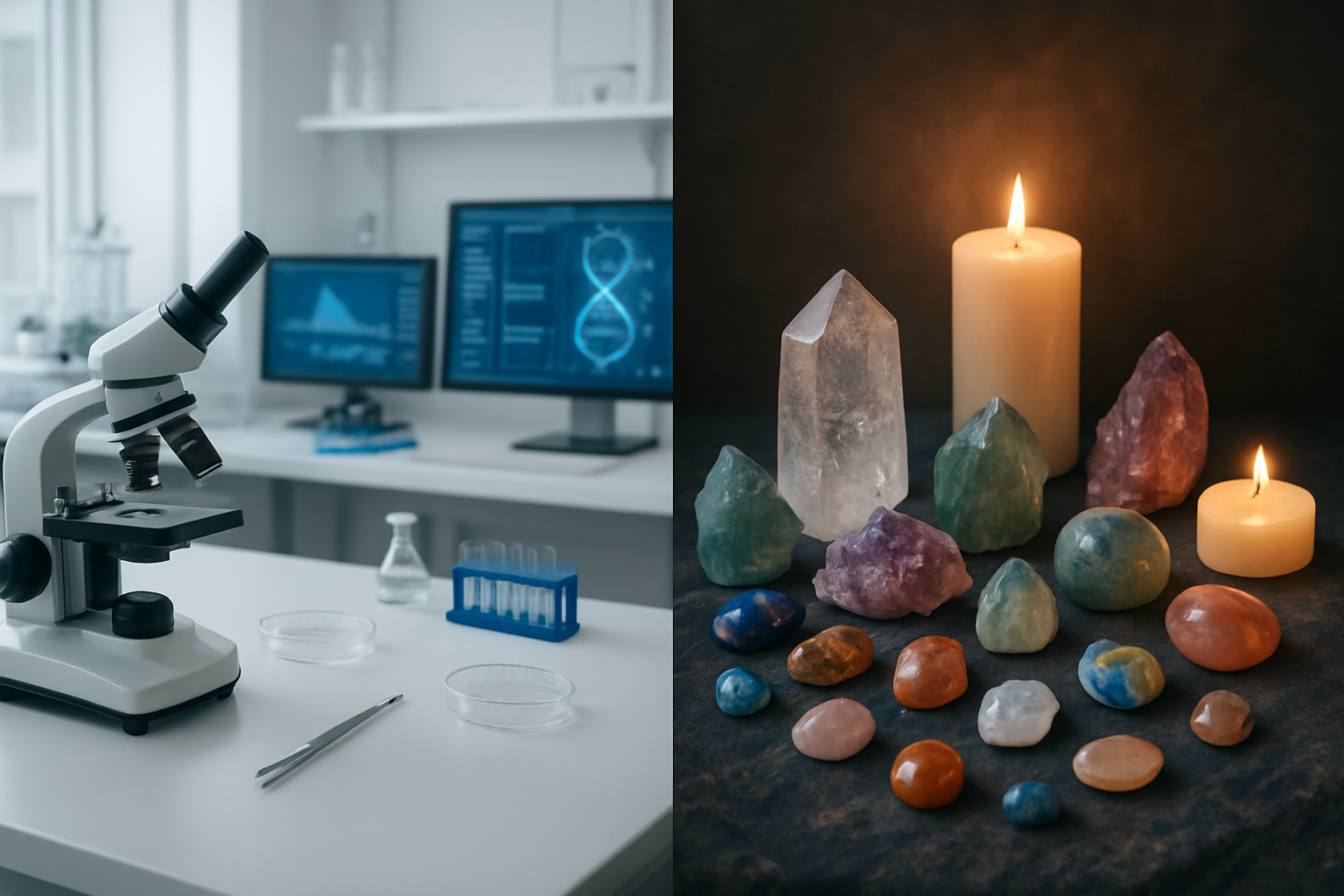
Real crystal science focuses on well-documented physical properties that scientists can measure and reproduce. Crystals demonstrate piezoelectricity, where certain minerals like quartz generate electrical charges under mechanical stress. This property powers watches, radios, and countless electronic devices. Crystals also exhibit pyroelectricity, creating electrical charges from temperature changes, and show optical properties like polarization and fluorescence.
Scientists have thoroughly studied crystal structures, understanding how atoms arrange themselves in repeating patterns. These structures determine hardness, conductivity, and other measurable characteristics. Materials science has harnessed these properties to create semiconductors, lasers, and optical instruments.
However, legitimate crystal science cannot prove that crystals emit healing energies, balance chakras, or influence human health through mysterious vibrational frequencies. No peer-reviewed studies have demonstrated that crystals can cure diseases, reduce pain, or improve mental health beyond placebo effects. The supposed energy fields that crystal healing claims rely on have never been detected by sensitive scientific instruments designed to measure electromagnetic radiation, magnetic fields, or other known forms of energy.
Red flags in pseudoscientific crystal energy explanations
Watch for explanations that misuse scientific terminology. Terms like “quantum,” “frequency,” “vibration,” and “energy” get thrown around without proper context. Real quantum effects occur at subatomic scales and don’t translate to the macroscopic world of crystal healing. When someone claims crystals “vibrate at healing frequencies,” they’re using scientific-sounding language without scientific backing.
Another red flag appears when proponents dismiss the need for scientific testing. Phrases like “science hasn’t advanced enough to understand crystal energy” or “ancient wisdom transcends modern science” deflect legitimate requests for evidence. Genuine scientific discoveries undergo rigorous testing and peer review.
Be wary of testimonials presented as proof. Personal experiences, while meaningful to individuals, don’t constitute scientific evidence. Correlation doesn’t equal causation, and the human brain excels at finding patterns even in random events. Multiple people feeling better after using crystals could result from placebo effects, confirmation bias, or unrelated factors.
Vague, unfalsifiable claims represent another warning sign. When crystal healing explanations can’t be tested or proven wrong, they fall outside the realm of science. Claims about “spiritual energy” or “chakra balancing” lack specific, measurable predictions that researchers could verify.
How to evaluate crystal healing claims critically
Start by asking for specific, measurable claims. Instead of accepting vague statements about “promoting wellness,” request precise details about what condition improves, by how much, and within what timeframe. Legitimate treatments provide clear success metrics.
Look for controlled studies published in peer-reviewed journals. Anecdotal evidence and testimonials don’t meet scientific standards. Proper research includes control groups, blind testing, and statistical analysis to separate real effects from chance or bias.
Consider the source of information. Crystal sellers have financial incentives to promote healing claims, while independent researchers have no stake in the outcome. Scientific institutions, medical journals, and established health organizations provide more reliable information than marketing websites or social media posts.
Apply Occam’s Razor by favoring simpler explanations over complex ones. If someone feels better after using crystals, consider whether lifestyle changes, positive thinking, reduced stress, or other factors might explain the improvement before attributing it to crystal energy.
Check whether claims align with established scientific principles. Energy healing often violates basic physics laws, particularly conservation of energy. If crystals could generate healing energy indefinitely, they would essentially be perpetual motion machines.
Alternative evidence-based wellness practices for similar benefits
Meditation and mindfulness practices offer many benefits that people seek from crystal healing. Research shows meditation reduces stress, anxiety, and blood pressure while improving focus and emotional regulation. Unlike crystal energy claims, thousands of studies support meditation’s positive effects on mental and physical health.
Regular exercise provides measurable improvements in mood, energy levels, and overall health. Physical activity releases endorphins, reduces inflammation, and strengthens both body and mind. The benefits are immediate and long-lasting, backed by extensive scientific evidence.
Cognitive behavioral therapy (CBT) addresses negative thought patterns and behaviors that contribute to stress and unhappiness. Licensed therapists use evidence-based techniques to help people develop healthier coping strategies and perspectives. CBT’s effectiveness for depression, anxiety, and other conditions has been proven through rigorous clinical trials.
Social connections and community involvement significantly impact wellbeing. Spending time with supportive friends and family, volunteering, or joining interest groups provides the sense of purpose and belonging that many seek through spiritual practices.
Quality sleep, proper nutrition, and stress management techniques like deep breathing or progressive muscle relaxation all contribute to better health outcomes. These approaches have solid scientific foundations and can be measured objectively.
Creative activities like art, music, or writing offer therapeutic benefits without requiring belief in unproven energy systems. Expression through creativity helps process emotions, reduces stress, and provides a sense of accomplishment and purpose.
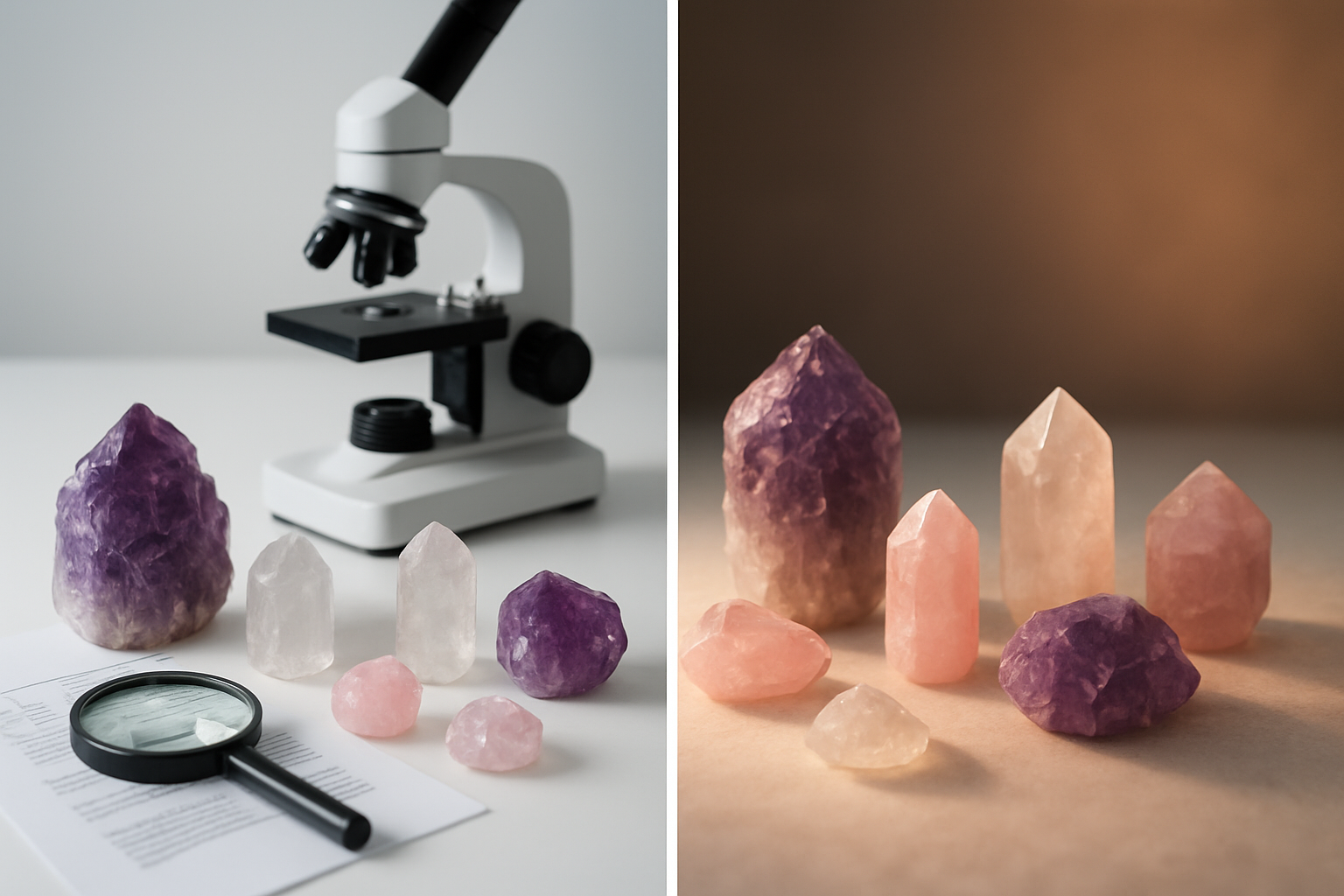
Crystal energy sits at the fascinating crossroads where ancient beliefs meet modern science. While crystals don’t possess the mystical healing powers many claim, they do demonstrate real scientific properties like piezoelectricity and unique molecular structures that have practical applications in technology. The therapeutic effects people experience often stem from psychological factors like the placebo effect, mindfulness, and the simple act of taking time for self-care rather than any inherent energy within the stones themselves.
Understanding this distinction doesn’t diminish the value of crystals in your life. If holding a piece of amethyst helps you feel calmer or carrying a lucky stone boosts your confidence, that’s perfectly valid – just recognize that the benefits come from your own mind and intentions rather than supernatural forces. The key is approaching crystals with a balanced perspective that appreciates both their genuine scientific properties and their potential as tools for mindfulness and personal ritual, without falling into the trap of replacing evidence-based medical care with unproven alternative treatments.